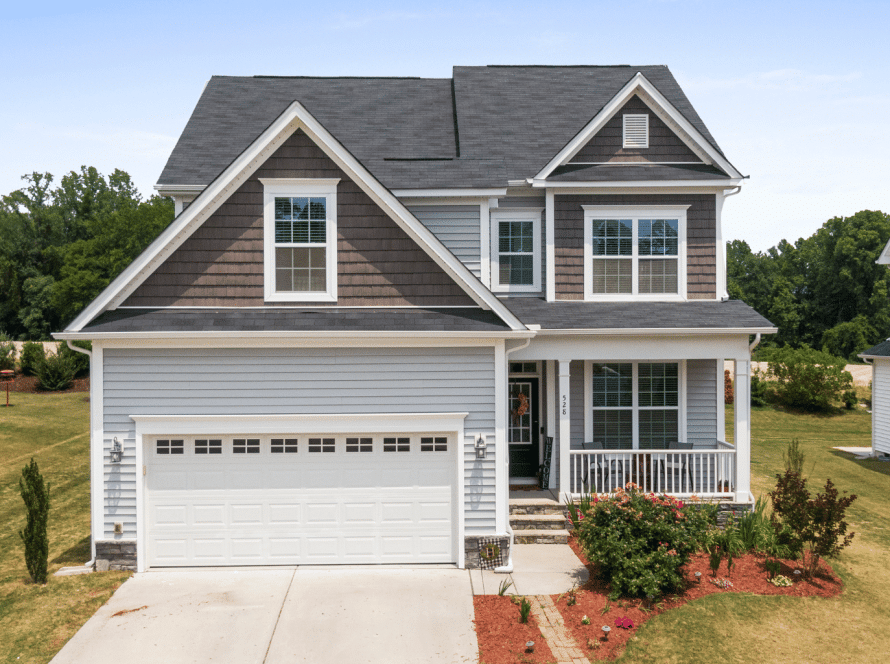
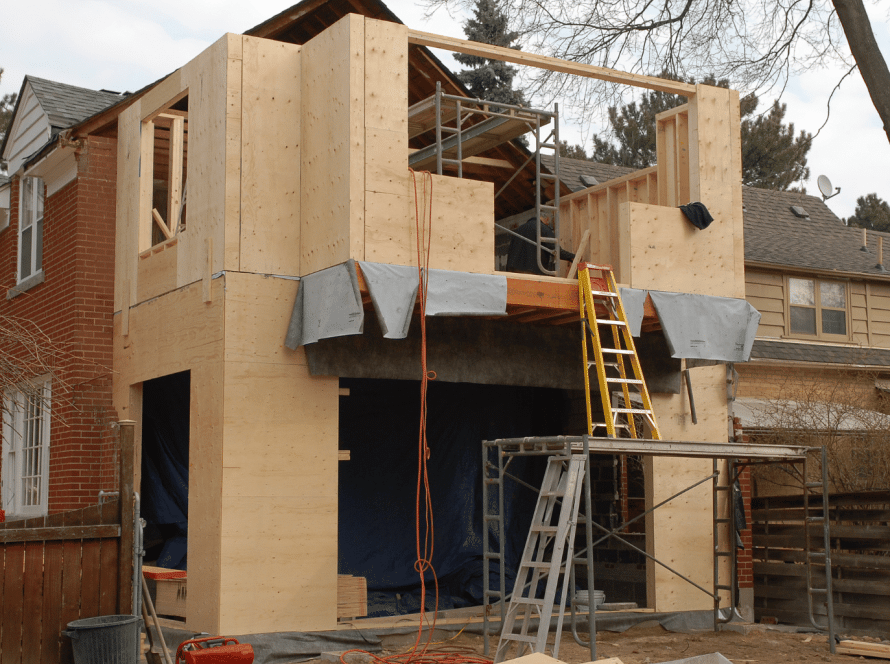
Adding more living space to your home doesn’t always mean building outward. For many homeowners, building an addition over a garage can be a smart and cost-effective way to gain extra square footage without sacrificing yard space. But is it always possible? And is it worth the investment?
We will deconstruct all you need to know in this guide, including requirements of the structure and its cost, permits, and design concepts to determine whether or not it is appropriate to build over your garage.
What Does It Mean to Build an Addition Over a Garage?
A garage addition is a process whereby the livable space is built above an existing garage, whether attached or not.
This space can be used for:
- A bedroom or guest suite
- A home office
- An in-law suite
- A bonus room or playroom
- A rental unit (zoned to permit)
Since the foundation and the footprint are already in place, such an addition can prove to be more efficient as compared to constructing a new building.
Is It Structurally Possible to Build Over a Garage?
The Importance of Structural Integrity
Structural support is the largest factor that determines whether you can build over a garage or not. Most older garages were not built to support the weight of a second floor.
A structural engineer will evaluate:
- Foundation strength
- Load-bearing walls
- Ceiling joists and framing
- Soil conditions
When your garage is not in a position to carry the weight, it might need to be reinforced—or in other instances, it might need a complete restructuring.
Attached vs. Detached Garages
- Attached garages are easier to convert since they are normally part of the house.
- Detached garages are still operable but tend to need more upgrades, particularly in regards to plumbing, electrical, and HVAC.
Local Building Codes and Zoning Laws
Permits Are Required
The construction of a garage needs to be permitted. Local building agencies impose regulations pertaining to safety, fire protection, and occupancy.
You may need:
- Building permits
- Electrical and plumbing licenses
- Mechanical permits
- Zoning approval
Zoning and HOA Restrictions
Some cities and neighborhoods restrict:
- Building height
- Square footage limits
- Strikes along property boundaries
- Use as rental units
If you reside in an HOA-controlled neighborhood, you will also have to seek their permission.
Cost of Building an Addition Over a Garage
Average Costs
The price may fluctuate and depend upon the location, design, and structural additions.
On average, homeowners can expect:
- $100-$300 per square foot
- Total cost range: $30,000 to $100,000+
What Impacts the Cost?
Key cost factors include:
- Structural reinforcement
- Bathroom installation and plumbing
- Electrical upgrades
- Insulation and drywall
- Roofing modifications
- Stairs and access points
Any addition of a bathroom or a kitchen will make the cost much higher.
Benefits of Building Over a Garage
Maximize Living Space Without Expanding Footprint
If your lot size is small or you wish to retain the outdoor space, building upwards is an excellent option.
Increase Home Value
The properly designed garage addition can:
- Boost resale value
- Expand usable square footage
- Enhance appeal to buyers
Additional bedrooms or suites are a good ROI in most markets.
Flexible Use of Space
Garage extensions are flexible, can be modified for your needs, and can suit any growing families or multigenerational living.
Challenges and Drawbacks to Consider
Structural Upgrades Can Be Costly
In the event that the current garage is not robust, strengthening or repairing the garage may become an added cost.
Construction Disruption
Living through construction can be inconvenient, especially if:
- The garage is attached
- Utilities need to be rerouted
- The access or approach is blocked
Heating and Cooling Considerations
It is important for the addition to be properly insulated and that the HVAC planning be appropriate, particularly in areas with extreme temperatures.
Design Ideas for a Garage Addition
Popular Layout Options
- Master bedroom with a bathroom
- Natural light home office
- Studio apartment
- Family bonus room
- Guest suite and kitchenette
Matching the Existing Home
To look most attractive:
- Coordinate rooflines and exterior material
- Make windows conform to current architecture
- Keep siding and trim the same
The use of a smooth design makes the addition appear to have always been a part of the house.
Hiring the Right Professionals
Who You’ll Need
To successfully build an addition over a garage, you’ll likely work with:
- A registered architect or designer
- A structural engineer
- A general contractor
- Local inspectors
Why Professional Help Matters
The nature of this kind of project is associated with complicated requirements in structure and code.
Hiring experienced professionals ensures:
- Safety and compliance
- Fewer costly mistakes
- Less difficult permitting
Is Building Over a Garage Worth It?
When It Makes Sense
Building an addition over a garage is a good idea if:
- It can be supported by your foundation
- Zoning laws allow it
- You want more room but cannot expand out
- You will be living in your house in the long-run
When It May Not Be Ideal
It would not be the best choice if:
- It is costly to upgrade the structure
- Local laws are constraining
- Your budget is limited
So, can you build an addition over a garage?
Yes, in most instances–but only with proper planning, professional assessment, and compliance with local building codes.
A garage addition may be an effective and useful solution to homeowners who want to increase the space of their home, but not increase the footprint. You should also check with a structural engineer and your local building department prior to starting to make sure that your project is safe, legal, and worth the investment.
The right design and execution make it possible to use space above your garage to initiate one of the most useful spaces in your house.