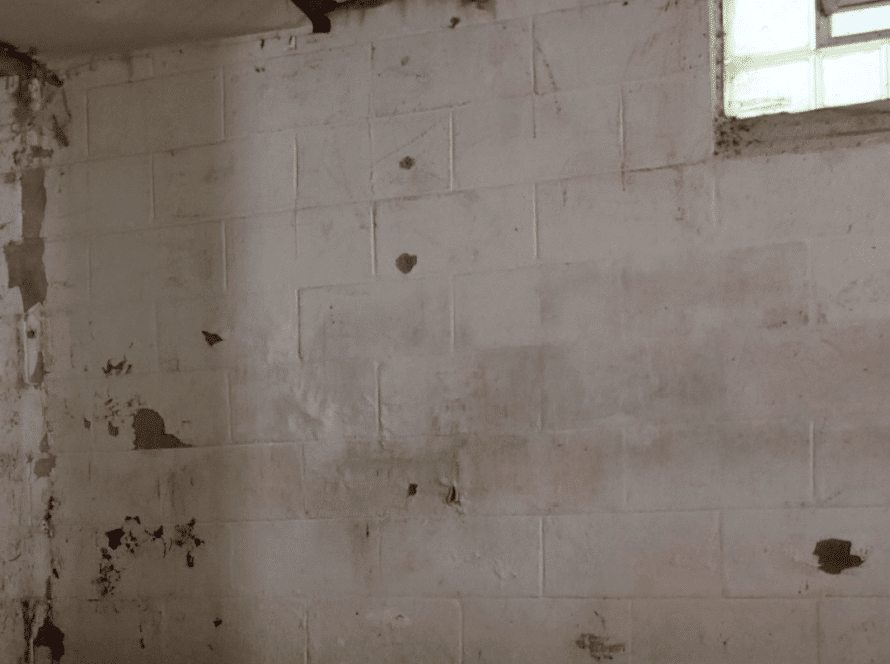
One of the best ideas of adding usable space and value to your home is remodeling your basement. A properly designed DIY basement remodel can turn an unused area into a family room, home office, guest suite, or workout area, among others. With that said, basement areas have their own set of issues, such as moisture management and building regulations.
This guide will simplify all the information that you need to know before beginning to remodel a basement, and it will also present a set of easy steps and tips that the American homeowner can use.
Why Remodel Your Basement?
It is good to know the reasons why you would like basement remodeling as a home improvement project before deciding on the tools to pick up or the paint color to use.
Benefits of a Finished Basement
- Additional living room without the construction of an annex
- Increased value of home particularly in competitive housing markets
- Flexible use such as entertainment rooms, rentals, or home offices
- When properly insulated, it is more energy efficient
A finished basement can bring one of the best returns on investment as compared to other home renovations.
Planning Your Basement Remodel
A successful remodel of a DIY basement is based on good planning.
Define the Purpose of the Space
Ask yourself how you plan to use the basement.
Common options include:
- Family or media room
- Guest bedroom
- Home gym
- Playroom
- Storage with finished walls
Depending on the purpose of the room, your layout, lighting, and budget will need to be set.
Set a Realistic Budget
The price of a basement remodel differs across the U.S. depending on the size and features. Even DIY projects can be costly.
Budget for:
- Framing and drywall
- Flooring
- Electrical and lighting renovations
- Insulation and moisture control
- Permits and inspections
Always have the additional 10-15 percent in case of unforeseen costs.
Check Local Building Codes and Permits
Most cities and countries require permits on basement remodeling, particularly when you are adding bedrooms and bathrooms or doing electrical work.
Why Permits Matter
- Safety and compliance to the code
- Ability to sell your house without problems
- Guards against penalties or forcible evictions
Common code requirements can encompass ceiling height requirements, emergency egress windows, and adequate insulation. These should never be started without consulting your local building department.
Moisture and Waterproofing: A Critical Step
The greatest problem with basement remodeling is moisture. Neglecting it may destroy your effort.
Inspect for Water Issues
Look for:
- Damp walls or floors
- Musty smells
- Visible cracks
- Signs of Mold
Make sure water issues are fixed before remodelling. This may involve crack sealing, better exterior drainage, or sump pump, where necessary.
Use Moisture-Resistant Materials
Select materials to be used in basements including:
- Moisture-resistant drywall
- Vinyl or tile flooring
- Mold-resistant insulation
These are the materials that can make your basement remain healthy and dry in the long run.
Framing and Insulation Basics
After the problems with moisture have been solved, the next step is framing and insulation.
Wall Framing Tips
- Keep a clearance between the walls and concrete
- Apply pressure-treated lumber at the point of framing contact with concrete
- Framing of plans around existing pipes and ducts
Insulating for Comfort and Efficiency
Insulation of basements will control the temperature and reduce energy expenses. Rigid foam insulation and fiberglass batts are both popular in a majority of climates in the U.S. Condensation is also prevented with proper insulation.
Electrical and Lighting Considerations
Basements are usually in need of more light as compared to upper levels.
Plan Your Lighting Carefully
Consider:
- Low ceiling recessed LED lights
- Wall sconces for ambiance
- Office/gym lighting
- Electrical Safety
Unless you have experience with electrical work, this is one of the fields where it can be well justified to hire a licensed professional. Bad wiring is unsafe and may not pass inspection.
Basement Flooring
The basement floors should be able to withstand moisture and temperature variations.
Flooring Options for Basements
Luxury vinyl plank: Strong, waterproof and fashionable
Tile: Good at keeping the moisture away
Engineered wood: Generally superior because its layered construction provides more stability and is resistant to moisture
Carpet tiles: Warm, and easy to change
Do not use solid hardwood, which cracks in the basement.
Ceiling Solutions for Low Heights
Basements also tend to have lower ceilings, which will have an influence on design.
Ceiling Options
- Ceilings of drywall
- Drop ceilings which give ease of access to the wiring and plumbing
- Exposed ceilings painted in industrial style
Before completing your plan, verify local codes on ceiling height.
Ventilation and Air Quality
Adequate ventilation makes your basement comfortable and healthy.
Improve Air Circulation
- Expand current HVAC vents when possible.
- Control moisture with the help of dehumidifiers.
- Install exhaust fans to the bathrooms or laundry rooms.
- Proper ventilation decreases the smell, dampness, and mold.
Safety and Comfort Considerations
A basement that is in use is a safe basement.
Key Safety Features
- Carbon monoxide sensors and smoke sensors
- Adequate bedroom egress windows
- Handrails on stairs
- Non-slip flooring
These features are often required by code and to add peace of mind.
When to DIY and When to Hire a Pro
Basement remodeling can be performed by yourself, although not all the tasks should be performed independently.
Good DIY Tasks
- Painting
- Installing flooring
- Hanging drywall
- Trimming and finishing work
Activities that only a professional can perform are:
- Electrical upgrades
- Plumbing installations
- Structural changes
It is always good to know what you can and cannot do to avoid making expensive or dangerous errors.