The best method to make your home more comfortable is to add more space to your home which will raise its resale value and eliminate the inconvenience of relocating. However, prior to starting any project, the homeowners tend to pose the same question: How much does a home addition cost?
The short answer is most home additions cost between $25,000 and $150,000, depending on size, design, and materials. However, some additions like full second stories can exceed $200,000.
This guide breaks down the costs, factors, and real-world price ranges so you can plan your project with confidence.
Average Cost of a Home Addition
National Average Cost
The average home addition is estimated to be between 80 and 250 dollars per square foot to most homeowners.
That would be what this would look like in real numbers:
| Size of Addition | Low-End Cost | High-End Cost |
| 100 sq. ft. | $8,000 | $25,000 |
| 200 sq. ft. | $16,000 | $50,000 |
| 400 sq. ft. | $32,000 | $100,000 |
| 600 sq. ft. | $48,000 | $150,000+ |
These prices are different when it comes to furnished space and those that are not furnished or those that need structural modifications.
Cost by Type of Home Addition
Various additions will need various amounts of labor, materials and permits. These are the most popular types of additions with their average price ranges.
Bedroom Addition
A simple addition of a bedroom can be in the range of $20,000 to $70,000 dollars.
Adding features increases the costs such as:
- Walk-in closets
- High-end finishes
- En-suite bathrooms.
Bathroom Addition
Additional costs of adding a bathroom include plumbing and waterproofing.
The cost varies between $35,000 and $90,000, depending on size and fittings.
Kitchen Expansion
Electrical work, appliances, plumbing, and cabinetry are needed in kitchen additions.
Average cost: $40,000 to $120,000.
Living Room or Family Room Addition
They are comparatively simple and cost between $30,000 and $100,000 depending on the size and finishing.
Sunroom Addition
The most common addition to homes is sunrooms to provide the homeowners with extra natural light and relaxation.
Costs vary by style:
Three-season sunroom: $15,000-$40,000
Four season sunroom: $25,000-$80,000 (insulation and HVAC are required)
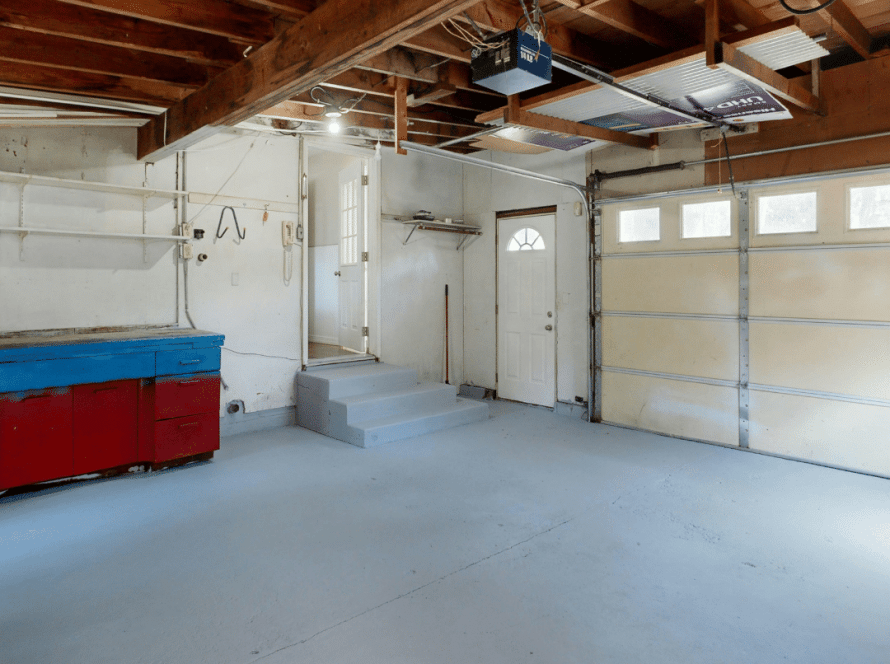
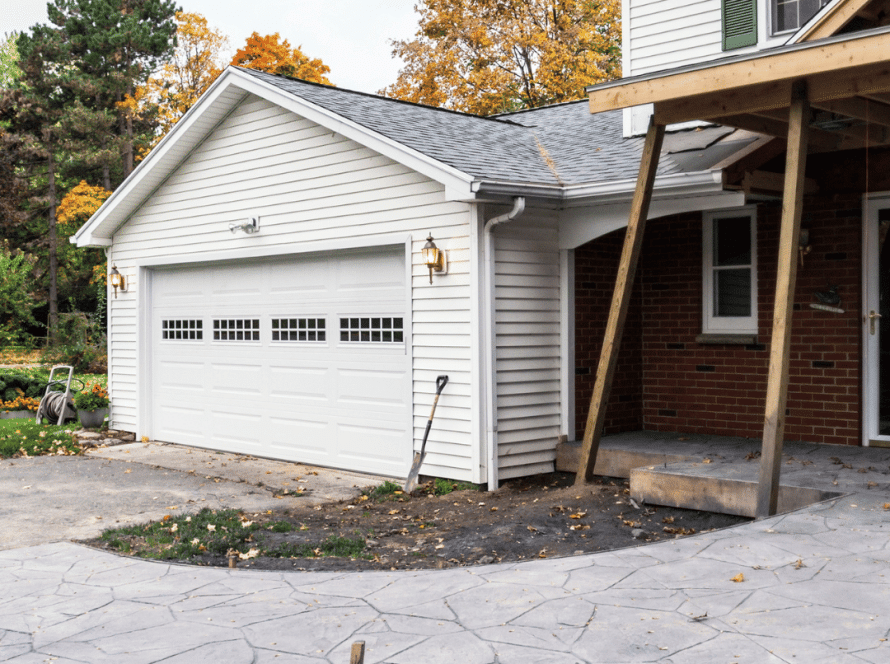
Garage Addition
Building a new garage costs:
One-car garage: $10,000-$30,000
Two-car garage: $30,000-$60,000
Garages that are attached are cheaper than detached garages.
Second-Story Addition
Second stories are the most expensive and typically range between $100,000 and 250,000 and above.
This includes structural engineering, strengthening of the foundation, new electricity and so on.
Key Factors That Influence Home Addition Costs
Size and Square Footage
The more space the more cost, but not necessarily in a linear manner. Minor additions are more costly per square foot due to fixed expenses such as permitting and foundation work.
Type of Room
Plumbing, HVAC, or specialized electrical work additions are much more expensive, e.g., kitchens, bathrooms, or laundry rooms.
Labor Costs
Most cities have 30%-50% of labor constituting the overall cost of projects.
Regions which have more labor inputs such as California, New York or Washington State can significantly increase the end price.
Material Quality
The price may vary tens of thousands of dollars based on whether the budget materials are used as opposed to the premium materials (such as stone countertops, hardwood floors or custom-made cabinetry).
Permits and Inspections
Home extensions are usually a permissible activity in most cities and counties. The prices of permits vary between $500 to $3,000 based on the project.
Structural Modifications
If your addition requires:
- Foundation work
- Load-bearing wall removal
- Roof modification
- Electrical panel upgrades
…expect prices to increase.
Location
Prices are highly differentiated between states.
Higher-cost states:
- California
- New York
- Massachusetts
- Washington
- New Jersey.
Lower-cost states:
- Texas
- Florida
- Ohio
- Georgia
- Arizona
Additional Costs to Keep in Mind
Even additions that are well planned usually have additional costs.
Here are common add-ons:
Design and Architecture Fees
An architect or a designer can pay 10 percent to 20 percent of the cost of the project.
HVAC Upgrades
Heating or cooling your house to accommodate more rooms will increase your home by 8000 dollars.
Electrical Work
The upgrade of electrical panels could cost between 1000 and 4000.
Plumbing
New water lines or sewer connections are usually additional costs of 2,000-8,000.
Finishing Costs
Flooring, painting, trim and cabinetry are all different and will increase the budget.
Ways to Save Money on a Home Addition
When you are on a budget, you can think of the following tricks:
Build Up Instead of Out
Extra space can be added to the home at a lower cost than the alternative which is to extend the size of the home since there is no new foundation.
Choose Standard Materials
Tailor made products are very expensive. Thousands of dollars can be saved by choosing stock cabinets or mid-range flooring.
Keep Plumbing in the Same Area
When you place a bathroom or a kitchen close to existing plumbing lines, the expenses are reduced substantially.
Plan for Energy Efficiency
Insulation or efficient windows can be expensive to invest in now, but it is more economical in the long run.
Get Multiple Quotes
It is always better to have three or more estimates by contractors to prevent excessive payment.
Is a Home Addition Worth It?
Most home additions offer excellent long-term returns.
According to national remodeling trends, the following additions often add strong value:
Bedroom extensions: These tend to add value to the resale value.
Bathroom extensions: The best return on investment, particularly in a house with a single full bath.
Kitchen extensions: Low comfort and resale.
Sunrooms: Increase the appeal of the curb and create pleasant living space.
Although you cannot be sure to recover all your money invested, the enhanced usability and the value of the home will in most cases warrant the investment and this is so when you are set to spend a few years in your house.